
A few years ago, I worked in a humanitarian organization where it was painfully clear we had a senior leadership problem. Eventually, the organization hired a well-known consultancy firm to come in, assess the situation, and propose solutions.
After three months of interviews, surveys, and analysis, they convened a meeting to present the findings to some of us. The grand conclusion? “You have a leadership problem. Your environment has become dysfunctional because of the way your leaders behave.”
But the real punchline came next: the proposed solution was to hand the reform plan back to the same leadership that had just been identified as the problem. I remember raising my hand and asking: “How can you guarantee this plan will be implemented when the very people you say are the obstacle are the ones responsible for carrying it out?” Of course, there was no real answer. We all knew the truth: you don’t fix a dysfunctional environment by entrusting it to the very hands that created it.
Oh, the plan led us nowhere!
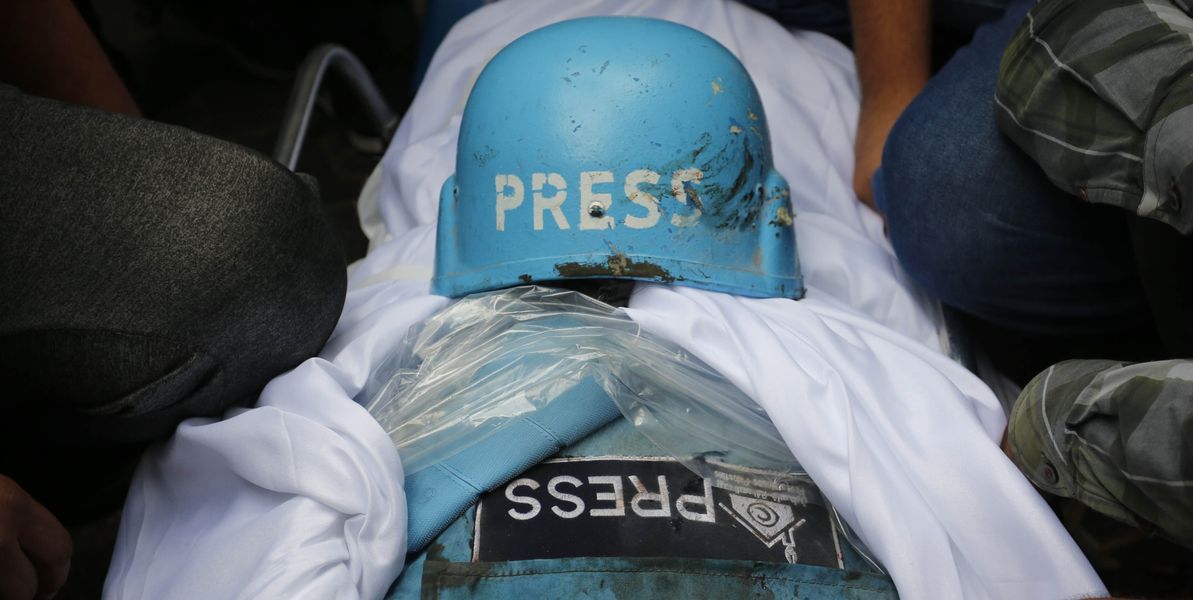
I often think of that moment when I hear international bodies calling on the genocidal occupation state to conduct a “decent” or “credible” investigation into its own attacks on journalists. The absurdity is identical: the accused becomes the judge and jury. The outcome is not accountability, but the “performance of accountability”. A ritual that creates the appearance of responsibility while ensuring nothing changes.
This is what I call accountability theatre. It appears to be an action, but it actually functions as a delay. It satisfies the optics of concern, without shifting power, truth, or justice.
Whether in NGOs, governments, or global politics, it is clear: real accountability requires independence, transparency, and consequences. Without those, investigations are little more than rituals of denial.
This is, after all, why some UN and Human Rights institutions were created: to protect people and hold aggressors accountable. Too often, however, their role is reduced to documenting injustice rather than preventing or ending it. What’s needed is far more than statements; it’s deep and systemic reform to ensure independence, courage, and enforcement. Without that, these institutions end up reinforcing a culture of impunity.
 Glittery Gaze
Leave a comment